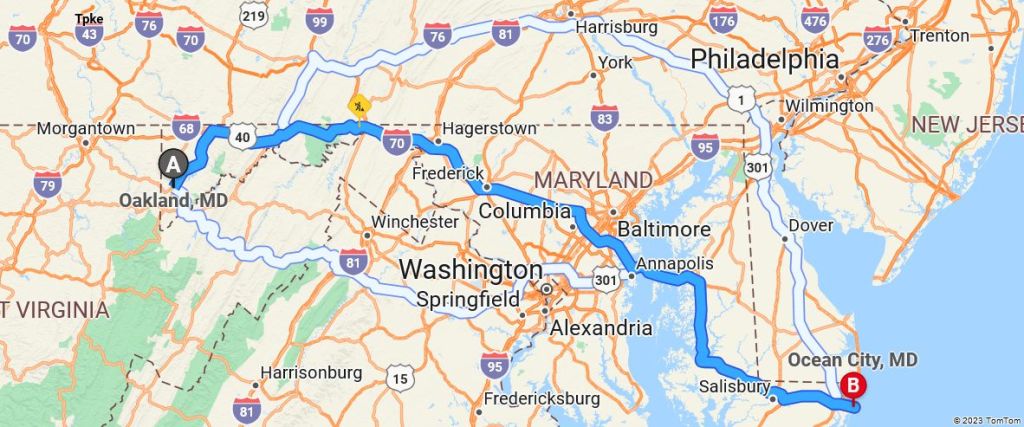
This page is dedicated to the honorable Samuel Jordan, Jr. for his equitable push for affordable housing and the Red line for Baltimore.
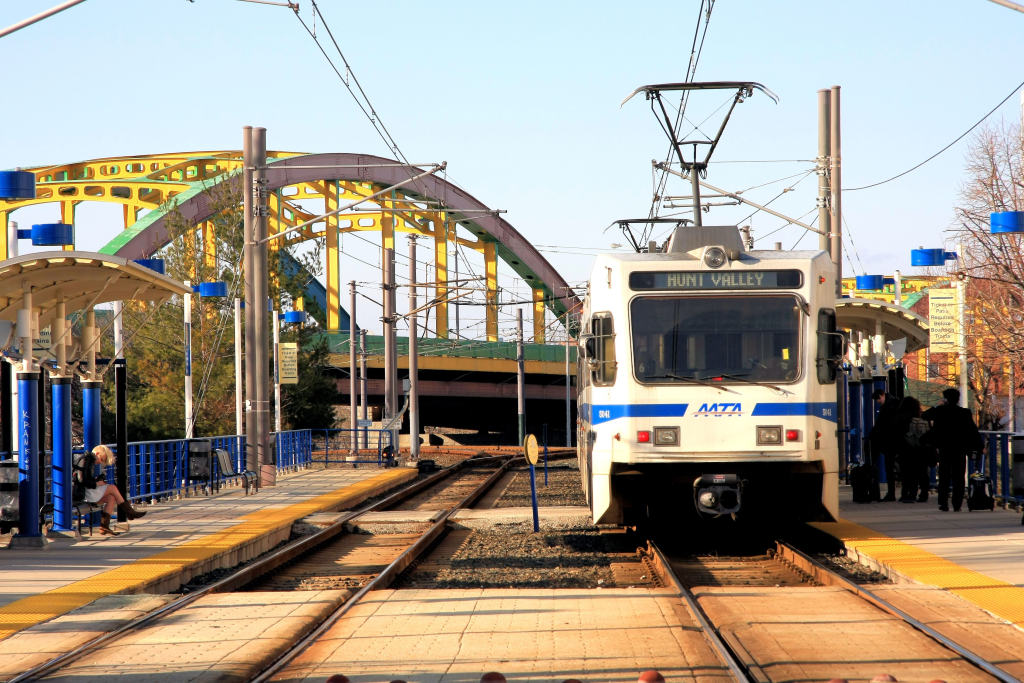
Courtesy of tripsavvvy
Many communities of color have faced inequities by growing Caucasian middle-class suburban areas, with highways and development, elected officials of the 20th century divided African Americans and displaced their housing and communities. West Baltimore has still chilling effects from redlining, as the late Honorable Elijah Cummings’ family desegregated Edmonston Village. Actually, his family did what’s called blockbusting.
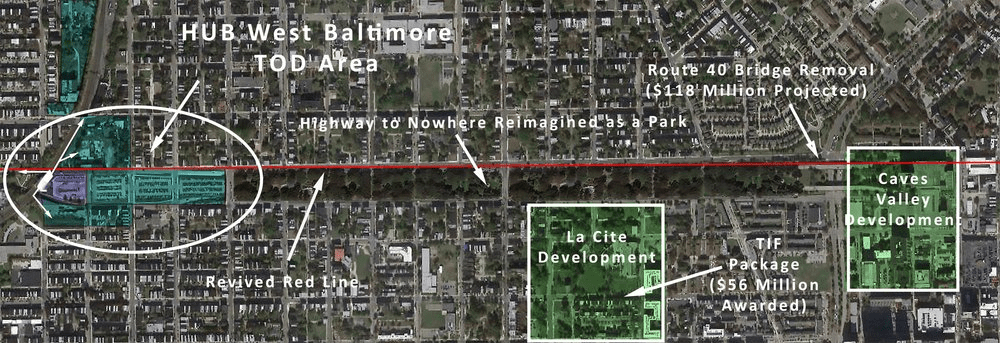
The Highway to Nowhere was built from 1974-1979 (46.4% African Americans, Baltimore city population) but never connected to other highways due to opposition.
The previous Maryland Governor Larry Hogan (ran for the U.S. Senate and vowed not to consider, once again) sent $900 million back to the federal government on a shovel-ready light rail project, currently being decided on by Gov. Moore and others. Members of Congress secured $2 million. It is appropriate that Mayor Scott, the Gov., Congressman Mfume, Senators Alsobrooks and Van Hollen meet with surviving families like Minister Glenn Smith, Vice-President of the Baltimore Equity Coalition to build the shovel-ready Red Line that had been canceled in 2015.

ADA Accessible, New West Baltimore MARC station
https://www.hubwestbaltimore.org/west-baltimore-marc-station
The current design is not cpmparable to Camden MARC station, which has less ridership and frequency than West Baltimore.
The tunnel project for the rail system could displace 640 residents and businesses.
Transportation (from Environmental Questionaire, 2022
The transportation sector is the largest source of greenhouse gas pollution in Maryland. The transportation sector is a key part of our state’s economy, and access to affordable transportation is critical to promote economic and social equity.
- What should the General Assembly do to increase support for public transportation? Fund it and make sure the system is maintained. Should MTA and Metro funding (including bike/pedestrian infrastructure, and public transit repair, maintenance, and expansion) be prioritized over road and highway expansion? Absolutely.
- Should Maryland increase use of electric vehicles (passenger cars, trucks, and buses, and infrastructure), and decrease reliance on gasoline-powered and diesel-powered vehicles? Yes
Are there programs that you support to achieve these goals? Baltimore has excellent transit groups such as CMTA and the Baltimore Transit Equity Coalition, that is petition for the Red Line Light rail from West Baltimore County to East that Hogan demolished, sending $900 million back as the project was to move forward.
- In particular and to the extent you are able, please indicate your views on the following:
- Are there particular rail, light rail, road, and bridge projects (new, expansions, and/or replacements) you favor or oppose? The Red and Green Lines proposed in the Baltimore region, the light rail project in Southern Md.
- Do you have a position on any of the following: How should equity and accessibility be included in future project decisions?
- Expansion of Capital Beltway, I-270, the American Legion Bridge – No
- 3rd Crossing on the Chesapeake Bay – Yes
- Baltimore-Washington Superconducting Maglev Project – Absolutely not
- Creation of an East to West Baltimore (Red Line) Light Rail and a Baltimore Regional Transit Authority – Absolutely, as stated.
- Prioritizing the expansion of public transit, including bike/pedestrian infrastructure – Yes
- How should equity and accessibility be included in future project decisions? Every project should be equitable and accessible.
- Housing prices are outpacing income growth in Maryland while low-density, sprawl development contributes to deforestation, water degradation, and an unsustainable transportation system. What should Maryland do to create affordable housing that does not exacerbate the climate crisis? Every development should be mixed. Should there be incentives for locating housing or businesses close to public transportation hubs? Yes.
- What other measures should be taken to reduce greenhouse gas emissions and improve public transportation and land use? Tree planting, trash cans, parks.
 Renaud Brown for Delegate 2026